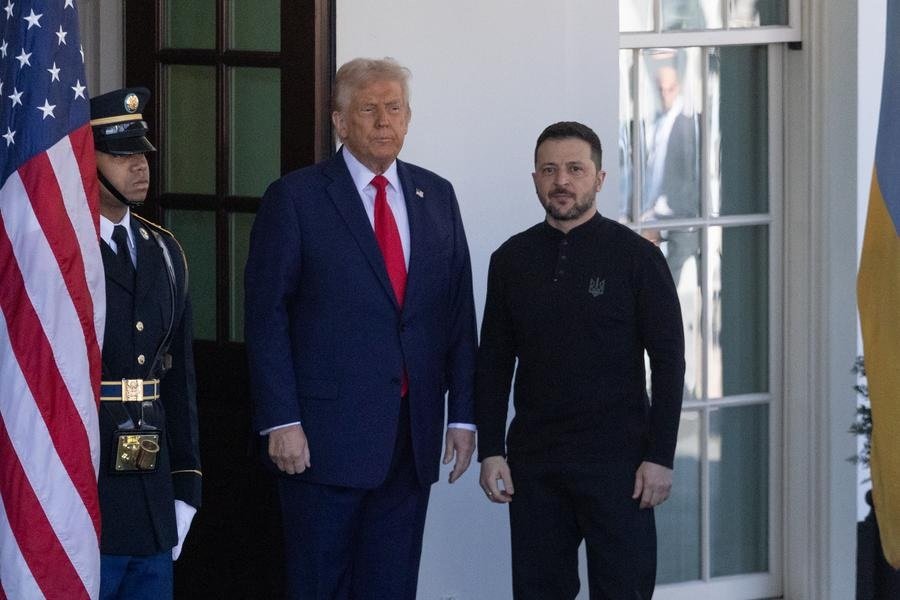
In the ongoing war of attrition between Ukraine and Russia, diplomatic solutions are constantly being floated in hopes of ending the bloodshed. One such suggestion, recently brought forward by a U.S. special envoy, involved a controversial proposal to recognize Russian control over five Ukrainian territories in exchange for a ceasefire. However, Ukraine has firmly and unequivocally rejected this idea, reaffirming its commitment to full sovereignty and territorial integrity.
This bold stance underscores not only the resilience of the Ukrainian government and people but also highlights the evolving complexities of modern diplomacy, especially when national identity and historical claims are on the line. Let’s dive into the context, details, and implications of Ukraine’s rejection of the so-called “5 territories” proposal and what it could mean for the broader geopolitical landscape.
### The Controversial Proposal: What Was Suggested?
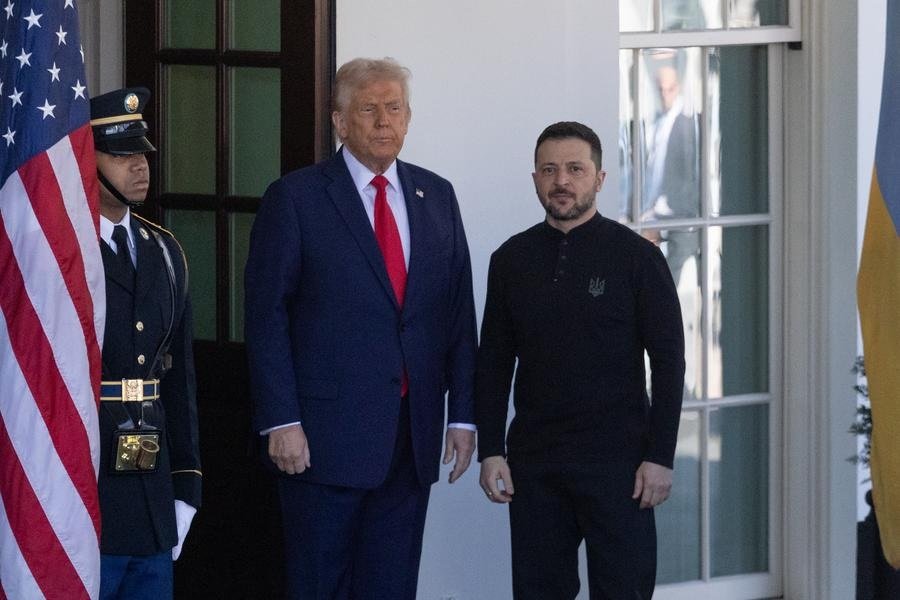
Reports emerged that a U.S. special envoy—allegedly tasked with exploring back-channel diplomacy—suggested a controversial compromise. The idea was for Ukraine to formally relinquish its claim to five occupied territories: Crimea, Donetsk, Luhansk, Zaporizhzhia, and Kherson. In exchange, Russia would halt its military aggression and enter a long-term ceasefire agreement, potentially setting the stage for broader peace talks.
Supporters of the proposal, mostly from diplomatic and think tank circles, framed it as a “realistic solution” aimed at stopping the war, saving civilian lives, and avoiding further destabilization of global markets. Critics, however, viewed it as a capitulation that would reward illegal annexation and embolden autocratic regimes worldwide.
### Ukraine’s Swift and Firm Rejection
Ukraine’s response to the envoy’s suggestion was swift and unequivocal. President Volodymyr Zelenskyy and senior officials in Kyiv categorically dismissed the idea, calling it “unacceptable” and “a betrayal of Ukrainian sovereignty.”
Foreign Minister Dmytro Kuleba was among the first to speak out publicly, stating:
> “There will be no peace built on the surrender of our land. Ukraine will not trade its people and territories for a temporary ceasefire.”
This firm rejection reflects the Ukrainian government’s broader philosophy since the beginning of the conflict: peace cannot be achieved by sacrificing territorial integrity. For many Ukrainians, conceding even a single region would not only dishonor the sacrifices of soldiers and civilians but also undermine the very principles of self-determination and national unity.
### Why the ‘5 Territories’ Are So Critical
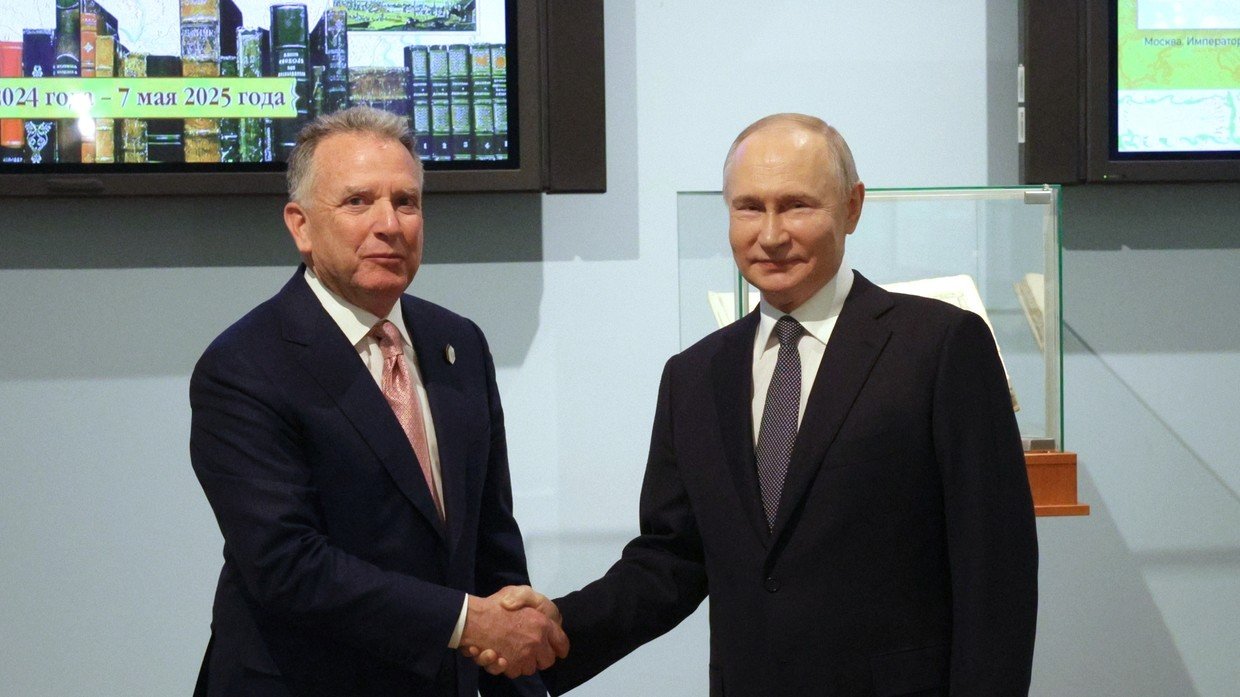
Each of the five regions mentioned in the proposal holds significant geopolitical, economic, and symbolic value for Ukraine:
– **Crimea**: Annexed by Russia in 2014, Crimea has remained a flashpoint for international condemnation. It holds immense strategic importance due to its Black Sea ports and naval bases.
– **Donetsk and Luhansk**: These eastern regions have been under partial control of Russian-backed separatists since 2014. They are industrial heartlands and central to the Donbas region’s identity.
– **Zaporizhzhia and Kherson**: Key agricultural and energy-producing areas, these territories are vital to Ukraine’s economic recovery and stability.
For Ukraine, allowing Russia to keep these territories would mean losing not just land, but control over key national resources and the legitimacy of its national borders.
### Public Sentiment in Ukraine
Beyond the political elite, the general public in Ukraine has also shown overwhelming opposition to territorial concessions. Numerous polls indicate that the majority of Ukrainians are willing to endure hardship if it means preserving national integrity.
Civilians who have fled occupied territories recount harrowing stories of repression, forced conscription, and cultural erasure. These narratives fuel a collective resolve that no diplomatic deal should come at the cost of abandoning fellow citizens to enemy control.
The trauma of war, coupled with a strong sense of national pride, has created a united front—one that sees the “5 territories” idea as not just impractical but morally indefensible.
### International Reactions: A Divided Response
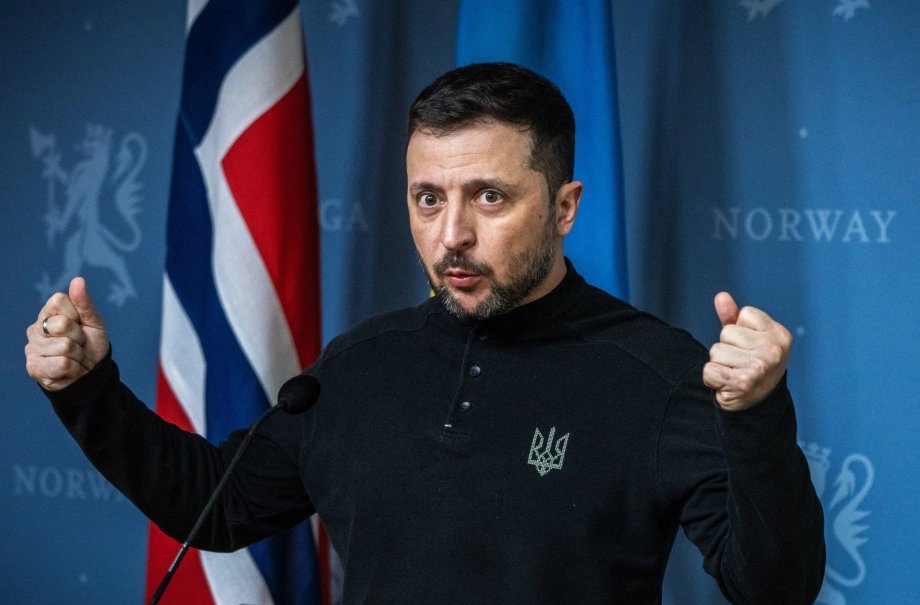
The proposal has sparked considerable debate within international circles. Some Western analysts believe that suggesting compromises is part of pragmatic diplomacy. Others, especially in Central and Eastern Europe, view it as a dangerous precedent.
NATO countries like Poland, Lithuania, and the Baltic states have expressed support for Ukraine’s position. These countries, with their own histories of foreign occupation, understand the implications of conceding land under pressure.
Conversely, voices from some Western think tanks argue that Ukraine should consider “freezing” the conflict, drawing parallels with situations like the Korean Peninsula. However, even among these groups, there’s an acknowledgment that any lasting peace must be built on mutual consent—not coercion.
### Russia’s Take: A Tactical Win?
From Moscow’s perspective, even the discussion of such a proposal represents a propaganda victory. Kremlin-controlled media have used the “5 territories” debate to bolster the narrative that the West is starting to fracture in its support for Ukraine.
Putin’s administration has long pushed for recognition of its control over these regions, and any official acknowledgment from a Western envoy—even in hypothetical terms—feeds into its larger strategic goals.
However, it’s important to note that Russia has not responded officially to the proposal, perhaps understanding that this could be a double-edged sword. Pushing too hard on this narrative could expose rifts in Western unity, but it could also galvanize Ukrainian resistance further.
### The Role of the United States
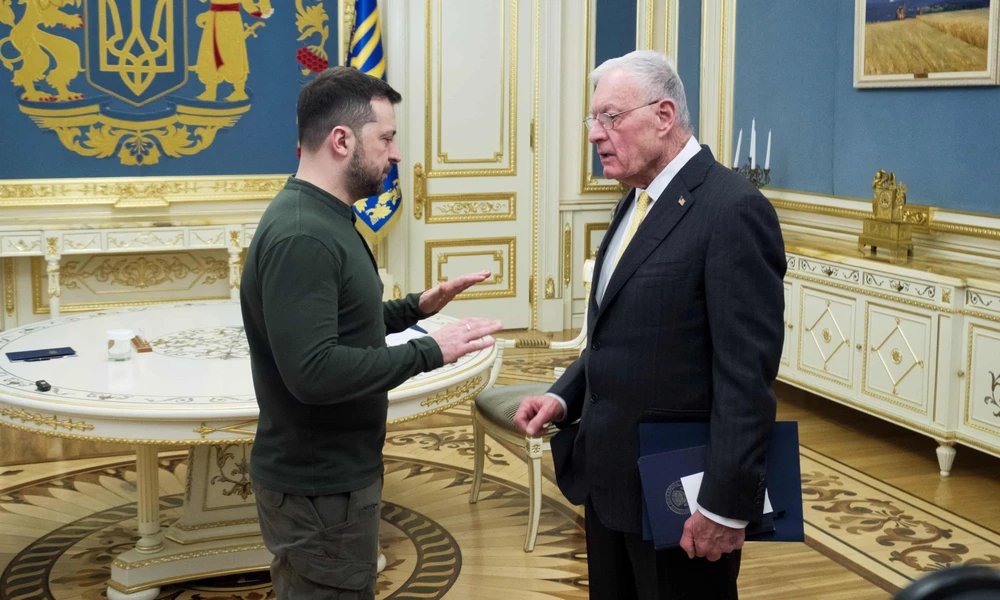
The Biden administration was quick to distance itself from the envoy’s comments. In an official statement, the White House reiterated that U.S. policy remains unchanged: full support for Ukraine’s sovereignty and territorial integrity.
Secretary of State Antony Blinken emphasized,
> “The United States does not support any plan that involves Ukraine giving up its territory. Any resolution must be driven by Ukraine’s people and government.”
This clarification was crucial in maintaining trust with Kyiv. As the largest provider of military and financial aid to Ukraine, Washington cannot afford to be seen as wavering. Any perception of back-channel negotiations without Ukrainian consent could severely damage bilateral relations.
### Ukraine’s Diplomatic Strategy: No Peace Without Justice
Ukraine’s rejection of the “5 territories” idea is not just about holding ground—it’s about setting the terms for a just and sustainable peace. Officials in Kyiv insist that any diplomatic solution must include:
– Full withdrawal of Russian forces
– Restoration of internationally recognized borders
– Accountability for war crimes
– Security guarantees to prevent future aggression
These conditions may seem ambitious, but for Ukraine, they are non-negotiable. Anything less would risk repeating the mistakes of the past, where concessions only invited further aggression.
### The Path Forward: Escalation or Resolution?
While Ukraine’s firm stance has drawn admiration from allies and citizens alike, it also raises the stakes in a war that shows no signs of ending soon. With both sides digging in and peace proposals being swiftly rejected, the conflict risks becoming a protracted, frozen war.
Yet, there is still room for diplomacy. Ukraine has signaled willingness to engage in peace talks—so long as they are based on international law and mutual respect. Backdoor deals or unilateral proposals will only prolong the suffering and deepen mistrust.
The international community must navigate this tightrope carefully. Support for Ukraine’s defense must be coupled with efforts to build a legitimate framework for peace—one that doesn’t come at the cost of territorial compromise.
### Conclusion: A Defining Moment for Sovereignty
Ukraine’s rejection of the U.S. envoy’s “5 territories” idea is more than a refusal of a flawed diplomatic shortcut—it is a declaration of national dignity. In standing firm, Ukraine sends a message not just to Russia but to the world: sovereignty is not a bargaining chip.
As the war rages on, the battle for hearts and minds—both within Ukraine and globally—will continue to shape the future. Peace is the ultimate goal, but it must be a peace grounded in justice, accountability, and mutual recognition.
Only then can Ukraine truly rebuild—not just its cities and economy, but its spirit as a free and united nation.